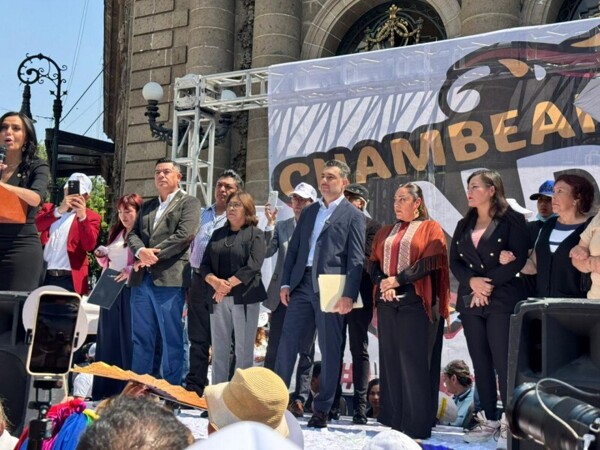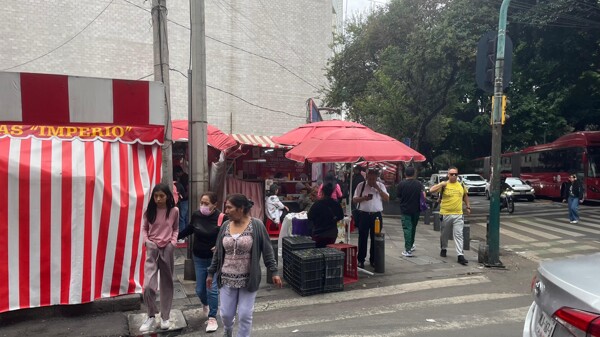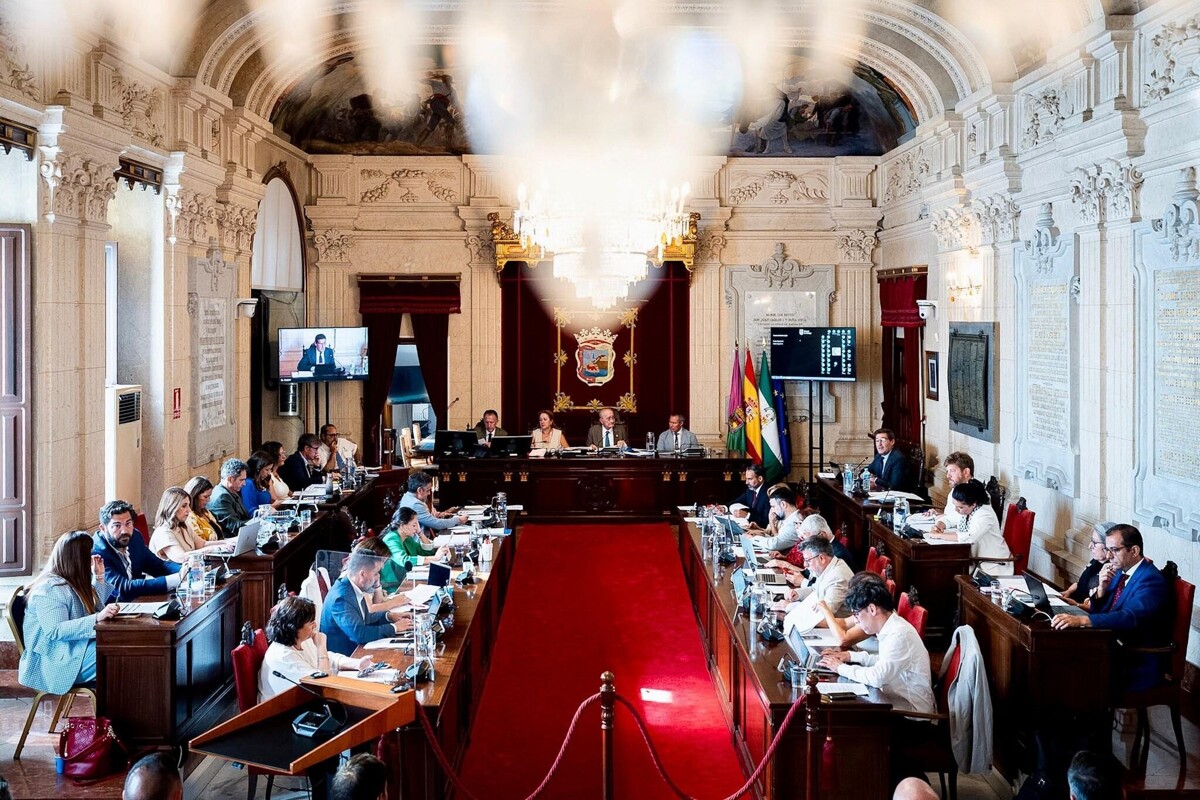
It's not that authority doesn't exist; it's that it's not nearby, it's inaccessible, or it simply doesn't care. And when that happens, the distance between the government and the people ceases to be institutional and becomes everyday. In the midst of that distance, in the midst of that lack of contact, a figure emerges that could change the reality of thousands of citizens, but today lacks sufficient faculties to help them: the counselors. The advisory councils were born with the Constitution of Mexico City in 2017 as part of a new model of local government. The one who doesn't wait for problems to escalate to act. As that first point of contact that receives, manages, and pushes the requests of the citizenry. They can influence, demand, and, above all, compel the mayor's offices to respond. Today, for the majority of the population, counselors do not exist. Like those who accompany problems until there is a response. But for that to happen, goodwill is not enough. Their weight within the councils depends on political majorities that often coincide with those governing the mayor's office, which weakens their function as a check and balance. They need someone who will listen before the problem grows, who will accompany before frustration turns into anger. That is where counselors can—and should—play a different role: not only as overseers of the government, but as a counterweight, as a balance, and as an active bridge between authority and the street. Under that logic, counselors should have all the facilities to open spaces for direct contact, not as a political concession, but as an essential part of their function. Useful politics is the one that is close. And, above all, they do not have sufficient mechanisms to compel the authority to act. The result is a figure that could be key, but today needs greater powers. And that is precisely the opportunity. Because in a city as large and unequal as ours, politics cannot continue to operate at a distance. Because without the capacity for action, the link remains just an intention. A few days ago, we saw a clear example of this tension: a counselor tried to set up a citizen assistance table on the plaza of a mayor's office and encountered resistance from the authority itself. There are problems in the city that do not grow on their own; they grow because no one attends to them. They are not visible, they are not positioned, and in many cases, they do not have the necessary tools to have a real impact on people's problems. Their limitations are clear. In theory, counselors would be that first door of entry between the people and the mayor's office. But between what was designed and what happens in practice, there is an evident gap. They have no executive powers, which prevents them from solving problems directly. Beyond the specific episode, the underlying question is inevitable: why should there be obstacles to something as basic as listening to the people? It has been said from the highest level something that should be the rule, not the exception: no one can prevent the citizenry from being attended to. The one that understands that governing is not just administering, but also listening and resolving. Today, between authority and the street, there is a distance that is felt every day. Counselors could be the bridge that the city needs. But for them to be that, they have to stop being invisible… and start having real power. The idea was clear: to avoid the concentration of power in a single person and to build collegiate bodies that would serve as a check and balance, but also as a direct link with the citizenry. Not because of the severity of the problem, but because of the absence of interest from the authority.